
The hidden costs of buying a home can surprise even careful first home buyers. Most people spend years focused on the deposit, then discover the deposit is only one part of the total cost.
Legal fees, inspections, government charges, insurance, moving costs and repairs can all affect how much cash you need before and after settlement.
This guide explains the hidden costs of buying a home in Australia so you can build a more realistic budget and avoid feeling stretched after you get the keys.
What Are The Hidden Costs Of Buying A Home?
The hidden costs of buying a home are the extra expenses beyond the deposit and purchase price. They can appear before settlement, during settlement or after you move in.
Definition
Hidden costs: Property purchase and ownership expenses that buyers may forget to include, such as legal fees, inspections, insurance, moving costs, rates and repairs.
Upfront Costs
- Deposit
- Stamp duty or government charges
- Legal fees and inspections
- Loan and settlement costs
After Settlement Costs
- Mortgage repayments
- Insurance and council rates
- Utilities and moving costs
- Maintenance and repairs
Why Is The Deposit Not The Full Cost?
The deposit is usually the largest upfront amount, but it is not the full cost of buying. Depending on your situation, your deposit may be 5%, 10%, 20% or another amount.
The problem is that many buyers calculate only the deposit, then forget the other costs needed to complete the purchase and settle into the property.
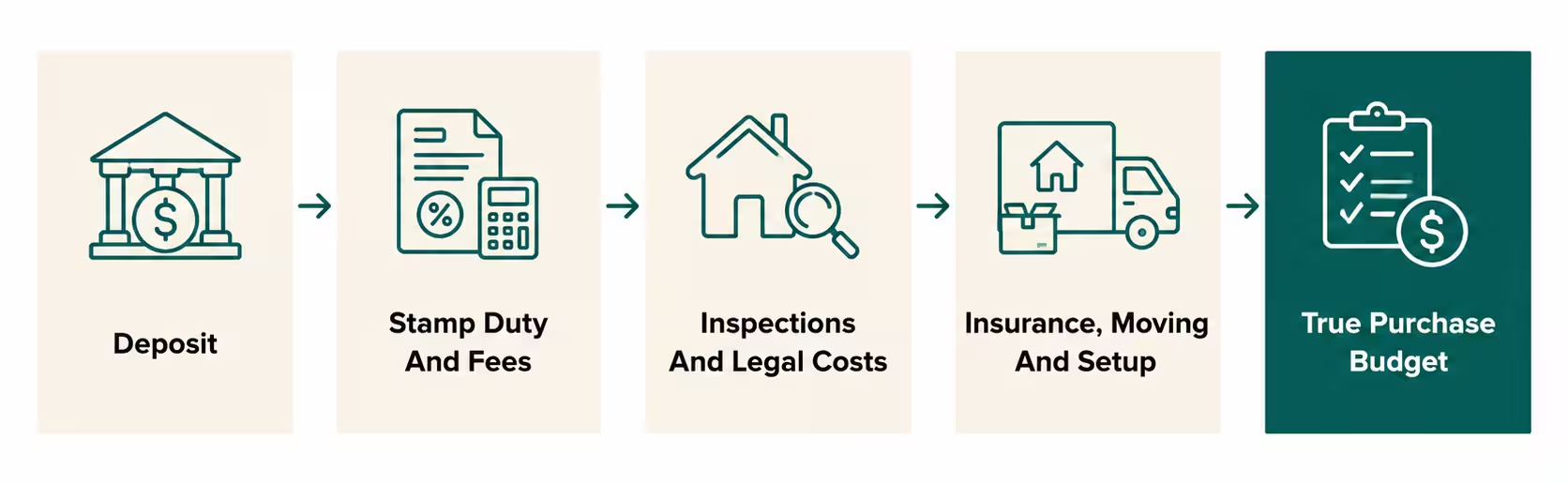
Saving exactly enough for the deposit and leaving no room for stamp duty, legal fees, inspections, insurance or moving costs.
How Much Can Stamp Duty And Government Fees Add?
Stamp duty can be one of the largest hidden costs of buying a home. The amount depends on the property, price, location and any first home buyer concessions or exemptions.
Some buyers may qualify for reduced rates or exemptions, which can lower the cash needed upfront. Always check current rules for your state or territory before making an offer.
Before you rely on a deposit target, add stamp duty, transfer fees and mortgage registration fees to your budget.
You can read more in our [Government Grants lesson] and [Property Eligibility lesson]. For general budgeting guidance, see Moneysmart.
What Legal And Inspection Costs Should You Expect?
Most buyers use a conveyancer or solicitor to review contracts, manage settlement, conduct searches and help transfer ownership. Legal costs vary, but they should be in the budget from the start.
Building and pest inspections are also common. A building inspection may reveal structural defects, roof issues, water damage, electrical problems or drainage concerns. A pest inspection may identify termite activity or damage.
Step 1
Review contract with a professional
Step 2
Arrange building inspection
Step 3
Arrange pest inspection where suitable
Step 3
Factor results into your buying decision
Skipping an inspection to save money can become expensive if hidden defects appear later.
What Loan Costs Can First Home Buyers Miss?
Loan costs can include valuation fees, establishment fees, application fees, documentation costs and administration charges. Not every lender charges the same fees.
Lenders Mortgage Insurance, often called LMI, is another cost many buyers misunderstand. LMI protects the lender, not the borrower, and may apply when buying with a smaller deposit.
Definition
Lenders Mortgage Insurance: Insurance that protects the lender when a loan is considered higher risk, often because the borrower has a smaller deposit.
Loan Costs To Ask About
Not sure which costs apply to your loan?
A mortgage broker can help compare loan fees, LMI, deposit options and lender policy before you commit.
What Costs Come After Settlement?
After settlement, buyers often need to pay for utility connections, removalists, vehicle hire, storage, packing materials, furniture, appliances and internet setup.
Insurance also matters. Building insurance protects the structure of the property, while contents insurance protects your belongings. Lenders may require building insurance before settlement.
What Regular Home Ownership Costs Should You Plan For?
Home ownership costs do not stop after moving day. Council rates, water charges, strata fees, maintenance and repairs can all affect long-term affordability.
If you buy an apartment, townhouse or unit in a managed development, strata or owners corporation fees may help pay for building maintenance, shared facilities, insurance and common areas.
| Cost | Why It Matters |
| Council rates | Recurring local government charges |
| Water charges | May include usage and service charges |
| Strata fees | Common for apartments, units and some townhouses |
| Maintenance | Repairs, replacements and property upkeep |
One of the biggest changes from renting to owning is that repairs become your responsibility.
Should You Use All Your Savings For The Deposit?
Using every dollar for the deposit can create pressure after settlement. A larger deposit may help, but a cash buffer can protect you from repairs, income disruption, rate rises and surprise bills.
A healthy emergency fund is often just as important as a bigger deposit. The right balance depends on your income, property, loan size and personal comfort.
All Savings Into Deposit
- May reduce the loan amount
- Can leave little cash after settlement
- May increase stress if repairs appear
Deposit Plus Buffer
- Leaves money for surprise costs
- Can help with moving and setup
- Supports more stable ownership
Hidden Cost Budgeting Checklist
Use this checklist before making an offer or signing a contract.
Quick Knowledge Check
Lesson Complete!
Lesson Summary
- ✓ Many buyers experience stress by focusing only on the deposit and overlooking other costs.
- ✓ Council rates are an ongoing cost of home ownership.
- ✓ LMI protects the lender when a borrower has a smaller deposit and higher LVR.
- ✓ An emergency savings buffer helps cover unexpected expenses after settlement.
- ✓ Ignoring ongoing costs like insurance and maintenance is a common budgeting mistake.
Summary
The hidden costs of buying a home extend well beyond the deposit. Legal fees, inspections, government charges, loan costs, insurance, moving expenses and repairs can all affect your budget.
The strongest buyers plan for expected costs and surprise costs. That gives them a better chance of entering home ownership with confidence instead of pressure.
Frequently Asked Questions
Key Takeaways
CONTINUE LEARNING
Types Of Home Loans In Australia
Next, we will explore fixed, variable and split loans, plus features like offset accounts and redraw facilities.
Chapter 15 · Approx. 4 min read
