
Choosing a first home location can feel harder than working out your deposit. Many buyers spend months checking borrowing power and comparing lenders, then realise they do not have a clear plan for where to buy.
A first home location affects your lifestyle, commute, family plans, property affordability and future resale options. There is no perfect suburb for everyone. The right choice is the area that fits your budget, your day-to-day life and the next stage of your plans.
What Makes A Good First Home Location?
A good first home location is one you can afford, live in comfortably and hold with confidence. It should support your daily routine, not just look good on a property app.
Definition
First home location: The suburb, town or region where you choose to buy your first property, based on budget, lifestyle, work, services and long-term plans.
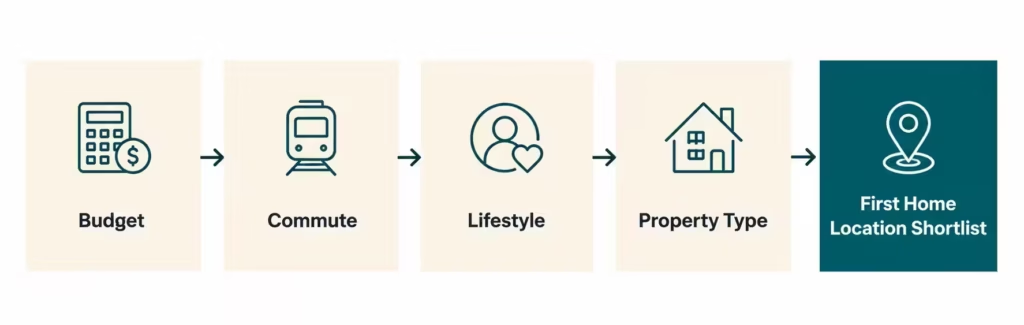
How Should Your Budget Shape Your First Home Location?
Your budget should set the search area before emotion takes over. A first home location that only works at your maximum loan limit can create stress after settlement.
Start by separating your numbers into three bands:
Ideal Budget
- The price range you would prefer
- Usually leaves more room for life after buying
Comfortable Budget
- The price range you can manage with confidence
- Often the best search target
Maximum Budget
- The highest price you may be able to finance
- Not always the wisest price to chase
Use your comfortable budget to build your suburb list. Your maximum budget can stay in the background for rare cases where the property clearly suits your needs.
Your budget is usually shaped by borrowing power, deposit size, upfront costs and government assistance. For external guidance on money planning, see Moneysmart.
Should You Buy In A Major City Or Regional Area?
The best first home location may be metropolitan or regional. The right answer depends on your work, support network, lifestyle and long-term goals.
Buying In A Major City
Major city locations often offer larger job markets, public transport, hospitals, universities, schools and established services.
The trade-off is price. Many buyers need to consider smaller homes, apartments, townhouses or suburbs further from the centre.
Buying In A Regional Area
Regional Australia can offer lower property prices, larger land sizes and a slower pace. Some regional centres also have strong employment.
Before choosing a regional first home location, check local jobs, transport, health services, internet quality and planned projects.
Major City
- More employment options
- More transport and services
- Higher purchase prices in many areas
Regional Area
- Often lower entry prices
- More space may be possible
- Local work and services need close review
Many buyers compare suburbs by price first, but commute cost, car use and time away from home can change the real cost of a location.
How Much Should Commute Time Matter?
Commute time matters because it affects your weekly routine for years. A cheaper first home location can become expensive if it adds transport costs, stress and lost time.
Before you buy, test the commute during the times you would actually travel. A quiet Saturday drive can tell you very little about a Monday morning trip.
The cheapest property is not always the most affordable life.
How Do Lifestyle And Future Plans Affect Location?
Your first home location should fit your life now and the life you may need later. That means asking better questions before you commit.
Think about family plans, career flexibility, school or childcare needs, parks, sport and support from friends or relatives. These details shape whether a location feels workable after the excitement wears off.
Step 1
List your non-negotiables
Step 2
Mark what would be nice but optional
Step 3
Compare each suburb against your real week
Step 4
Remove locations that only work on paper
Are New Estates Or Established Areas Better?
New estates and established suburbs can both be good first home location options. The difference is the trade-off between newer homes and existing services.
New Housing Estates
- Newer homes and modern designs
- Lower maintenance at the start
- Growing communities
- Some services may still be developing
Established Areas
- Existing schools, shops and transport
- Mature streets and services
- Older homes may need more repairs
- Prices may be higher in popular areas
Buying in a new estate without checking when shops, schools, roads and public transport are expected. A good floor plan cannot replace the services you need each week.
Should You Buy An Apartment, Townhouse Or House?
Property type and first home location are linked. The closer you want to be to high-demand areas, the more likely you may need to consider an apartment or townhouse.
Apartment
- Often lower entry price
- Can offer inner-area access
- Check strata fees and building quality
Townhouse
- Balance of space and price
- May suit small families
- Check owners corporation costs if relevant
House
- More land and flexibility
- May allow future extension
- Often needs a larger budget
Not sure which location fits your borrowing position?
A mortgage broker can help compare your budget, property type and area options before you start making offers.
What Location Mistakes Should First Home Buyers Avoid?
Most location mistakes come from focusing on one factor and ignoring the rest. Price matters, but it should not be the only filter.
- Choosing based only on the cheapest price
- Ignoring future family, work or study needs
- Underestimating commute time and transport costs
- Following suburb trends without doing your own research
- Buying before checking schools, healthcare, shops and local employment
Quick Knowledge Check
Lesson Complete!
Lesson Summary
- ✓ Your budget, borrowing power and financial position are key factors in choosing where to buy.
- ✓ Regional areas may offer lower property prices and larger land sizes.
- ✓ Daily commute affects lifestyle, family time and transport costs.
- ✓ Townhouses often balance affordability and living space.
- ✓ Choosing based only on purchase price is a common mistake.
Summary
Choosing a first home location is one of the biggest decisions in the buying process. The right area should balance affordability, lifestyle, work, infrastructure and future goals.
Rather than chasing the cheapest property or the most popular suburb, build a shortlist around your comfortable budget and your real week. A good first home location should still feel sensible after the loan is approved, the boxes are unpacked and normal life begins.
Frequently Asked Questions
Key Takeaways
CONTINUE LEARNING
Property Eligibility Requirements For First Home Buyer Schemes
Next, we will look at one of the most misunderstood parts of buying: how property rules can affect government grants and first home buyer scheme eligibility.
Chapter 11 · Approx. 3 min read
