
First home buyer mistakes can cost more than money. They can delay your purchase, create stress after settlement and make a good property feel harder to hold than it needed to be.
The good news is that most first home buyer mistakes are predictable. If you understand where other buyers get caught, you can slow down, ask better questions and make decisions with more confidence.
This guide covers the biggest mistakes first home buyers make in Australia and how to avoid them before they affect your deposit, loan approval or long-term comfort.
What Are The Biggest First Home Buyer Mistakes?
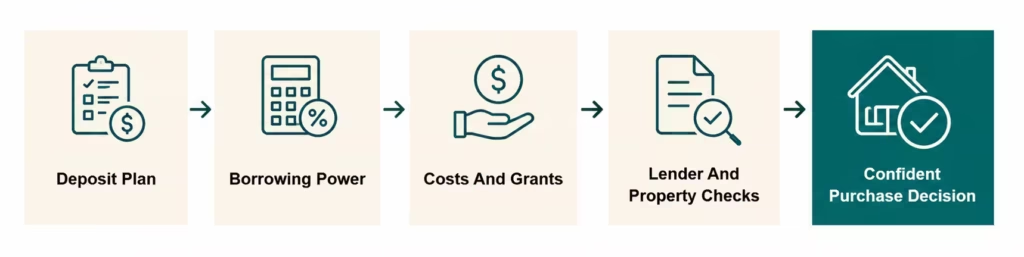
The biggest first home buyer mistakes usually happen when buyers act before understanding their borrowing power, total costs, government assistance, lender options and future affordability.
Definition
First home buyer mistake: A preventable decision that can reduce borrowing power, increase costs, delay approval or create pressure after buying a first home.
Is Waiting For A 20% Deposit A Mistake?
Waiting for a 20% deposit can be a mistake if you assume it is always required. A larger deposit can help, but many Australian first home buyers purchase with less.
Some buyers may qualify for lower deposit lending, government assistance or deposit support schemes. If you wait for years without checking your options, property prices may rise while you save.
Assuming you need a 20% deposit before speaking with anyone. You may be closer to buying than you think.
Check your borrowing power, deposit position and scheme eligibility before deciding that buying is years away.
Why Should Finance Come Before Property Browsing?
Finance should come before serious property browsing because your borrowing power shapes what you can safely buy. Looking too early can create expectations that do not match your real budget.
Researching homes is useful. The problem starts when you become emotionally attached before knowing your deposit position, estimated purchase budget and loan options.
Step 1
Check borrowing power
Step 2
Work out deposit and upfront costs
Step 3
Review grants and scheme eligibility
Step 3
Start shortlisting suitable properties
For independent consumer guidance, see Moneysmart.
Should You Borrow The Maximum Amount Available?
Borrowing the maximum amount available is not always wise. A lender may approve a loan amount that is technically possible, but still uncomfortable for your real life.
A maximum loan can become harder to manage if interest rates rise, work changes, family needs shift or surprise costs appear. A sustainable mortgage is often better than the largest possible mortgage.
Maximum Borrowing
- Uses most of your approved capacity
- May leave less room for savings
- Can feel tight after settlement
Comfortable Borrowing
- Allows room for life outside the loan
- Supports emergency savings
- Can reduce stress if costs change
The goal is not just to buy a home. The goal is to keep living well after you buy it.
What Costs Do First Home Buyers Often Forget?
Many first home buyers focus on the deposit and miss the extra costs around buying and moving. These can create pressure during a process that already has tight deadlines.
Using every dollar for the deposit can leave you exposed when inspections, legal fees, moving costs and first repairs arrive.
Why Should You Compare Lenders?
First home buyers sometimes assume all lenders will give a similar result. In reality, lender policies can differ a lot.
Two lenders may assess the same borrower differently because of income treatment, debts, credit limits, deposit rules, rates and loan features. The first lender you speak to is not always the best fit.
Lenders May Differ On
Want help avoiding lender mistakes?
A mortgage broker can compare lender policies, borrowing power and scheme options before you apply.
Can Credit Cards Reduce Borrowing Power?
Credit cards can reduce borrowing power even when the balance is low. Many lenders look at the credit limit, not just what you owe today.
| Credit Card Detail | Example |
| Credit card limit | $20,000 |
| Credit card limit | $500 |
| Potential lender assessment | Full $20,000 limit may be considered |
Before applying, review existing credit cards, buy now pay later accounts and personal loans. Reducing unused limits may improve your borrowing position.
What Government Assistance Mistakes Should You Avoid?
Many buyers miss government assistance because they do not check early enough. Others assume personal eligibility means every property qualifies, which is not always true.
Missed Assistance
- First Home Owner Grant
- First Home Guarantee
- First Home Super Saver Scheme
- Stamp duty concessions
Property Rule Problems
- Price caps
- Property type limits
- Location rules
- Occupancy requirements
Check both personal eligibility and property eligibility before signing a contract. The property itself can affect whether support applies.
How Do Emotional Decisions Hurt First Home Buyers?
Buying a home is emotional, but emotion should not lead the decision. Buyers can overpay, stretch their budget, ignore risks or compromise long-term goals because they are attached to one property.
Clear purchase criteria help. Before inspections, decide your comfortable budget, location range, property needs and deal breakers. Then let facts and affordability guide the final decision.
Rushing because of fear of missing out. Fast decisions can lead to poor research, weak inspections, unsuitable loans and financial stress.
First Home Buyer Mistake Prevention Checklist
Use this checklist before making an offer or applying for finance.
Quick Knowledge Check
Lesson Complete!
Lesson Summary
- ✓ The belief that you need a 20% deposit is a common misconception that delays buyers.
- ✓ Understand your borrowing power, deposit position and budget before emotional attachment.
- ✓ Lenders often assess the full credit limit, not just the balance owing.
- ✓ Set clear purchasing criteria guided by affordability and long-term suitability.
- ✓ Preparation with knowledge and savings leads to better home buying outcomes.
Summary
Most first home buyer mistakes happen when buyers move before understanding their finances, available assistance, lender options and long-term affordability.
You can avoid many problems by checking borrowing power early, building a full budget, comparing lenders, reviewing credit limits and making decisions based on facts rather than pressure.
Frequently Asked Questions
Key Takeaways
CONTINUE LEARNING
The Complete First Home Buying Process
Next, we will walk through the full buying process step by step, from checking borrowing power and saving a deposit through to settlement and moving in.
Chapter 13 · Approx. 3 min read
